How the WoW Framework Works
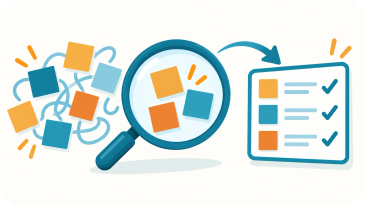
1. Slow: Understand the Real Problem
Find out what is really happening before deciding what to change.
Most requests arrive with a solution already attached. Good diagnosis starts by questioning it: what is the real problem, which outcome matters and what is getting in the way?
I use the STARS model from The First 90 Days to agree with the owners what situation the business is
Find out what is really happening before deciding what to change.
Most requests arrive with a solution already attached. Good diagnosis starts by questioning it: what is the real problem, which outcome matters and what is getting in the way?
I use the STARS model from The First 90 Days to agree with the owners what situation the business is in, because a turnaround needs a different approach from accelerated growth.
This stage explores:
- Business and commercial performance
- Operating model, structure and accountability
- Delivery, project flow and capacity
- Processes, systems, data and technology
- Where AI could change the work, and what that means for roles and economics
- Culture, leadership and how decisions really get made
The result is a clear problem statement and a shared, honest view of where the business is today.
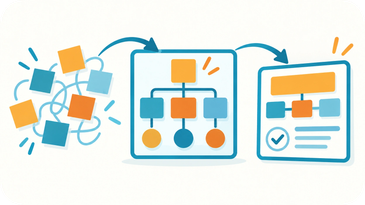
2. Slow: Shape the Strategy & Roadmap
Bring the right people together, make the choices and agree the plan.
The people who will deliver the change should help define it. In Context Workshops, leaders and specialists separate facts from assumptions, surface risks and build a shared view of the problem, then play it back and refine it together.
From there, we design the future o
Bring the right people together, make the choices and agree the plan.
The people who will deliver the change should help define it. In Context Workshops, leaders and specialists separate facts from assumptions, surface risks and build a shared view of the problem, then play it back and refine it together.
From there, we design the future operating model and make the choices visible, including what to leave out.
This stage can include:
- Target operating model, structure and accountability
- Leadership roles and decision rights
- Multidisciplinary squads organised around client problems
- AI-enabled workflows, roles and quality controls Commercial governance, margin and resource planning
- A roadmap showing what will change and how, in priority order
The aim is a model that makes the business simpler to run, and a plan that people understand and believe in.

3. Go: Pilot, Deliver & Adopt
Turn the plan into working change, one proven step at a time.
Technology is the easy bit. Adoption is the transformation. I work alongside leadership and teams to make the change real.
New ways of working start as pilots on live work: problem, pilot, prove, scale. We record a baseline and agree upfront which result means scale and which mea
Turn the plan into working change, one proven step at a time.
Technology is the easy bit. Adoption is the transformation. I work alongside leadership and teams to make the change real.
New ways of working start as pilots on live work: problem, pilot, prove, scale. We record a baseline and agree upfront which result means scale and which means stop.
This stage focuses on:
- Giving multidisciplinary teams ownership of the work
- A steady delivery rhythm that keeps progress and blockers visible
- Mapping whole workflows before deciding where AI fits
- Coaching leaders to facilitate rather than direct, drawing on AgencyAgile
- Making trade-offs explicit when priorities change
- Removing blockers as they emerge
That reduces disruption while building confidence in the new model.
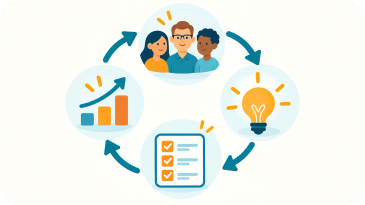
4. Measure, Scale & Embed
Scale what works and build the capability to keep improving.
The objective is not dependence on Project WoW, but an organisation that owns the change and keeps improving.
Progress is measured against the outcomes agreed at the start, from adoption and cycle time to margin and capacity. Each review leads to a decision: continue, stop, improv
Scale what works and build the capability to keep improving.
The objective is not dependence on Project WoW, but an organisation that owns the change and keeps improving.
Progress is measured against the outcomes agreed at the start, from adoption and cycle time to margin and capacity. Each review leads to a decision: continue, stop, improve, test or invest.
This stage focuses on:
- Scaling pilots that have proved their value
- Naming owners and updating roles, accountability and career paths
- Spreading change through respected champions on live work
- Keeping prompts, templates and workflows as shared assets
- Building internal transformation and AI capability
- Creating continuous improvement rhythms
The goal is simple: leave the organisation stronger, more capable and better prepared for whatever comes next.